Have you noticed fewer beach birds and fewer fish to catch after the so-called wonderful beach sand replacement?
Florida's beaches · The life hidden beneath the sand
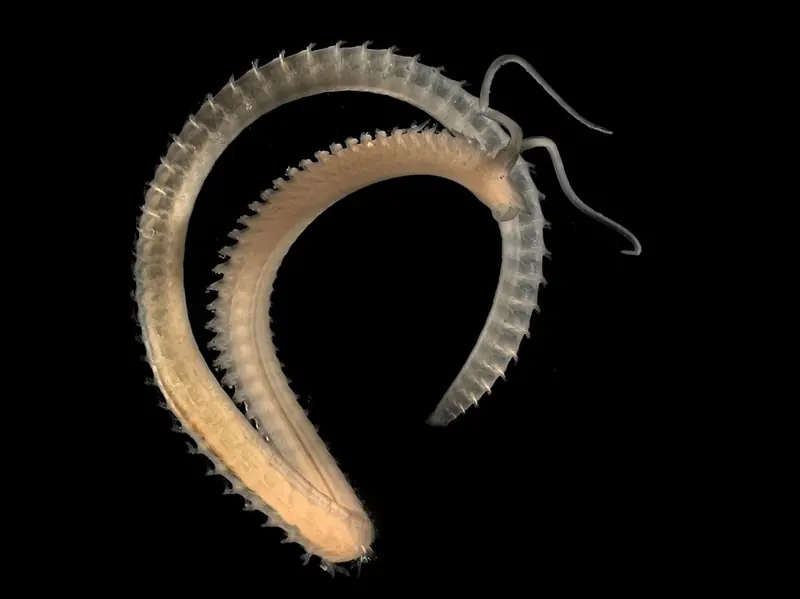
Right under our feet, at the edge of every wave, lives a hidden food chain: sand crabs, coquina clams, beach hoppers and worms. They feed the shorebirds and the fish anglers chase from the surf. When a beach is rebuilt with new sand, studies in other states found these animals buried and slow to return, and few people ask what that costs.
The life under the sand
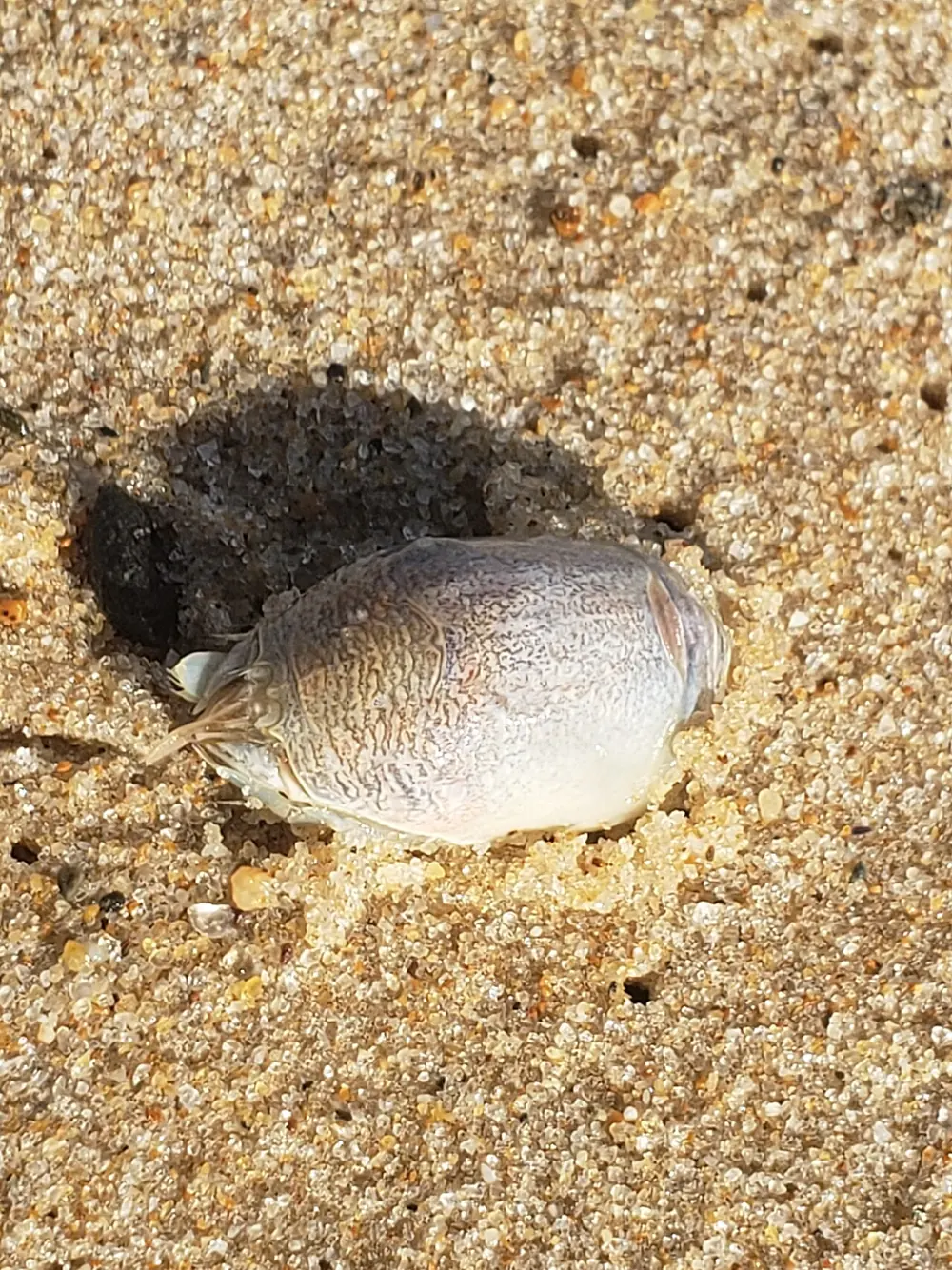
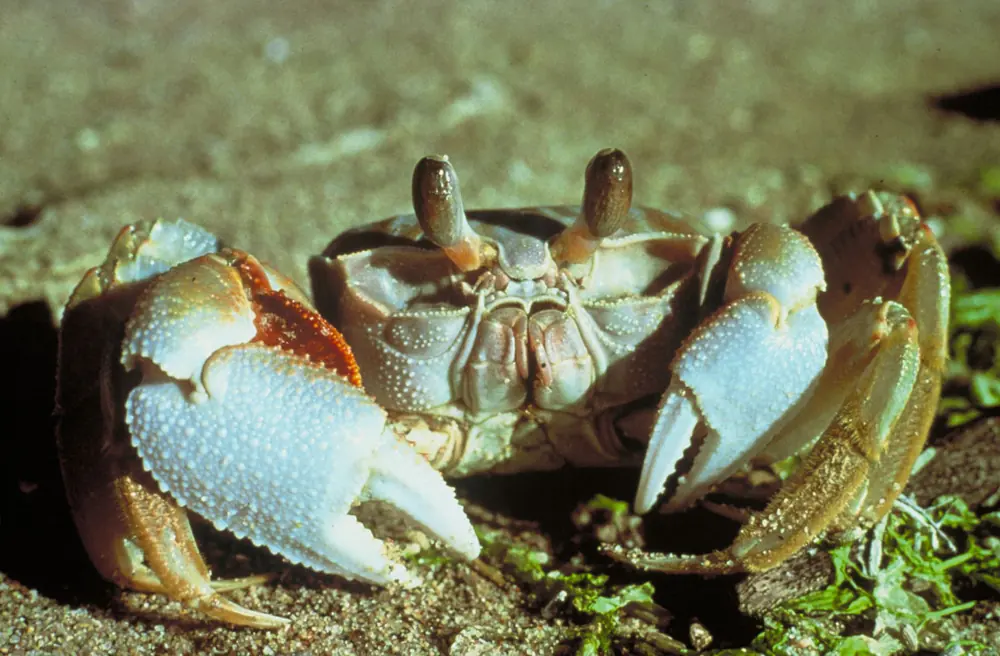
Beach project permits track sea turtles, beach mice and shorebirds. The animals those birds and fish eat are rarely counted. On Florida's west (Gulf) coast that buried life includes living sand dollars, olive and moon snails, coquinas, mole crabs, worms and ghost crabs.
Our ask: count the sand dollars, snails, coquinas and crabs before and after, match the grain size, and keep work out of spring recruitment. We can save beaches and beach tourism while also protecting the food chain and the environment.
Our view · a word worth questioning
Nourishing something means feeding it. But “beach nourishment” doesn't feed the beach. It pumps or trucks in sand to hold a shoreline in place. The sand is chosen to make a wide, dry beach that looks good, protects expensive properties, offsets natural beach loss and keeps beach tourism going. The cost falls on angler tourism, fish, birds and the food chain they depend on. We can save beaches and beach tourism while also protecting the food chain and the environment.
In our opinion, for the creatures that actually live in the sand (mole crabs, coquinas, the birds and fish that eat them), a project often looks less like feeding and more like malnourishment: the food web is buried, and the replacement sand may be the wrong kind for it. “Nourishment” is a friendly name for a construction project, and a friendly name makes it harder to ask what the project costs the animals living on the beach.
This section is advocacy and opinion. The facts it rests on are cited below and in the studies table further down. We are not saying nourishment should never happen. We are saying the animals and the industries that depend on them should be counted.
Agencies and contracts use different words for the same kind of project:
Fair is fair: it's a trade-off. Tourism and property protection are real benefits, and some studies show certain animals bounce back within a year or so. The harm depends on sand quality, grain size and timing. Our ask is simple: match the sand to the beach, avoid the worst seasons, and count the animals before and after.
Featured creature
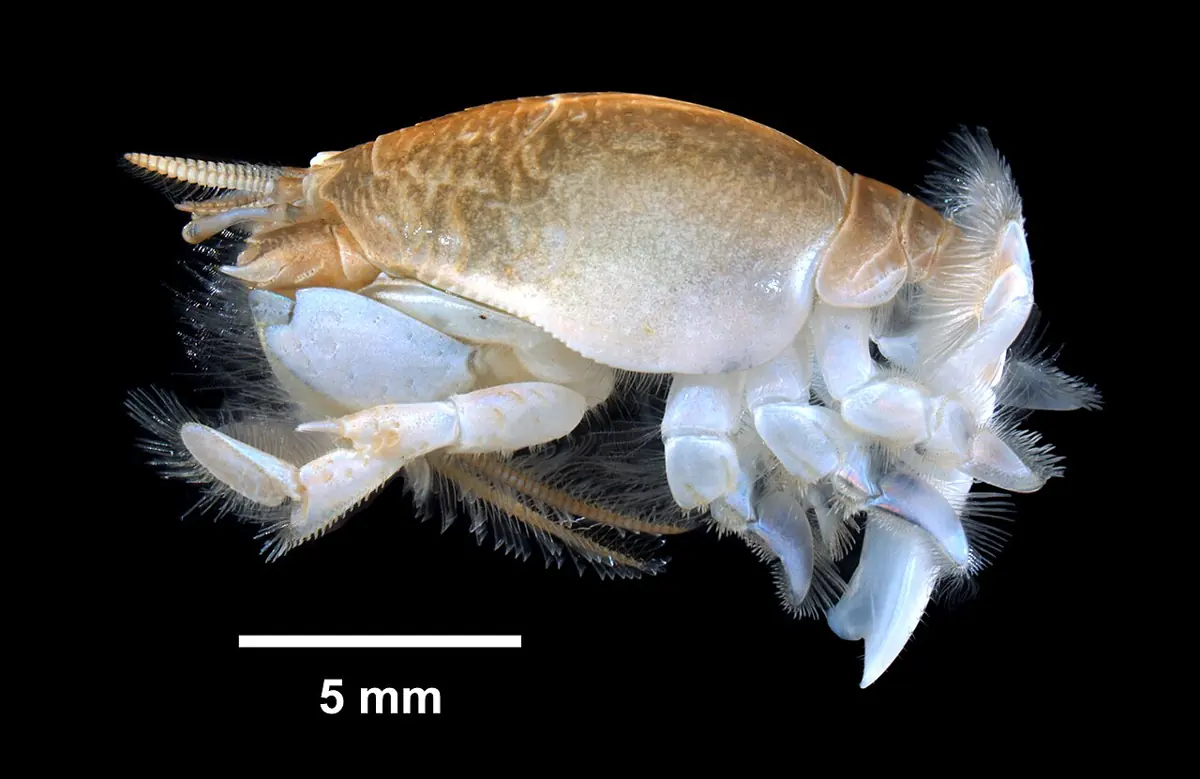
Emerita talpoida isn't a flea and doesn't bite. It's a small, clawless crab, up to about 2 inches long, that lives in the swash zone, where waves wash up the beach (FWC).
It backs into the wet sand with its tail first and holds up two feathery antennae. Each wave brings plankton and bits of food, and the crab filters them out. Then it digs in again before the water pulls it away. Anglers call it a sand flea, and it's one of the best-known baits for pompano (UF/IFAS Extension).
Why it matters: it turns plankton into a bite-size meal. In the research below, mole crabs and coquinas are described as a primary prey base for surf fishes, ghost crabs and some shorebirds (Peterson et al. 2000). The FWC says Florida pompano feed on mollusks and crustaceans, “especially sand fleas” (FWC).


Mole crabs can recover quickly. In one North Carolina study they were back by mid-summer, while coquinas and tiny amphipods on the same beaches stayed below 10% of normal levels the whole season (Peterson et al. 2006). Each species responds differently, which is why monitoring should count all of them.
The beach food web
A beach that looks empty is a feeding ground. Shorebirds run the waterline for buried crabs and clams. Fish patrol the surf just offshore for the same food. Ghost crabs hunt by night.

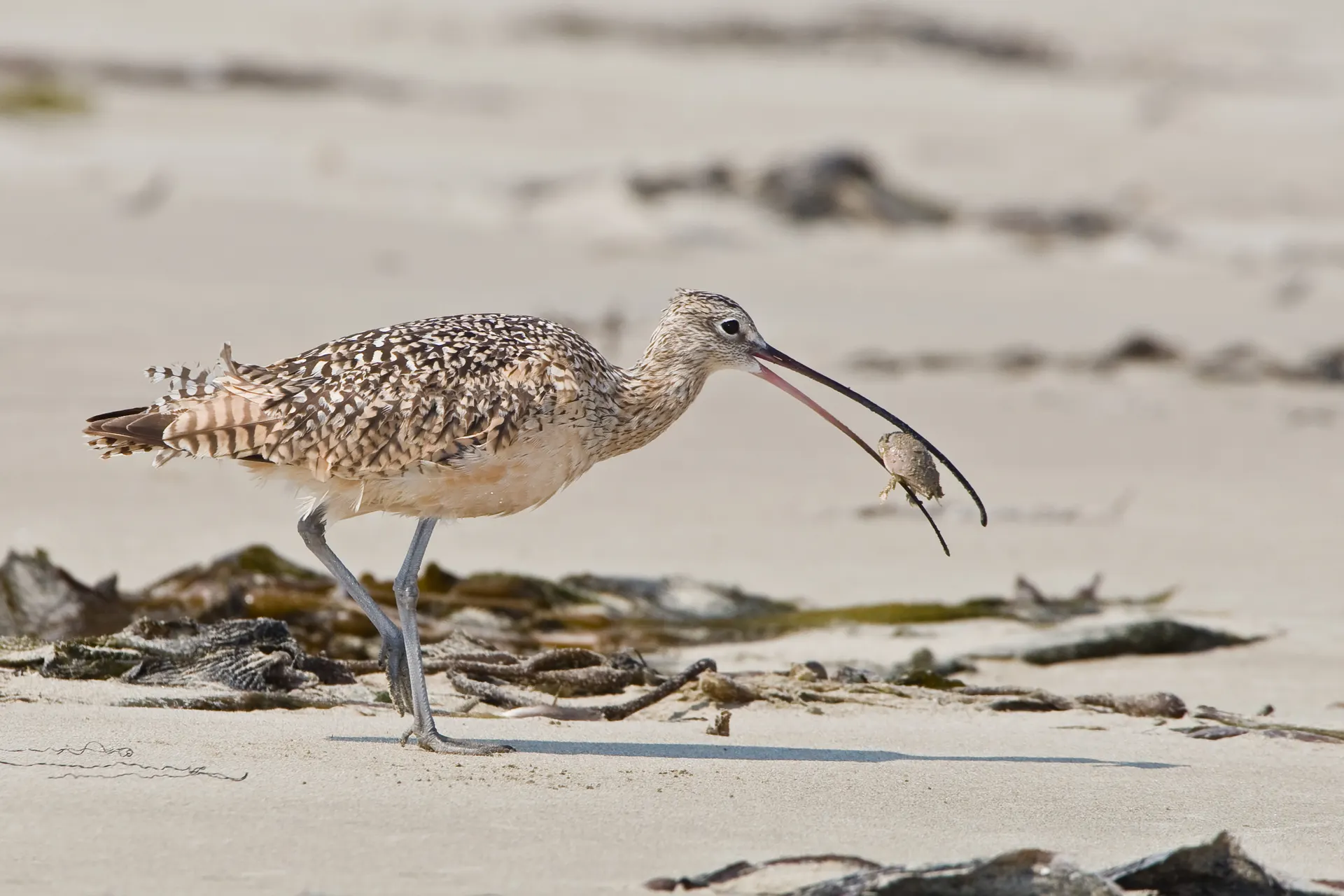
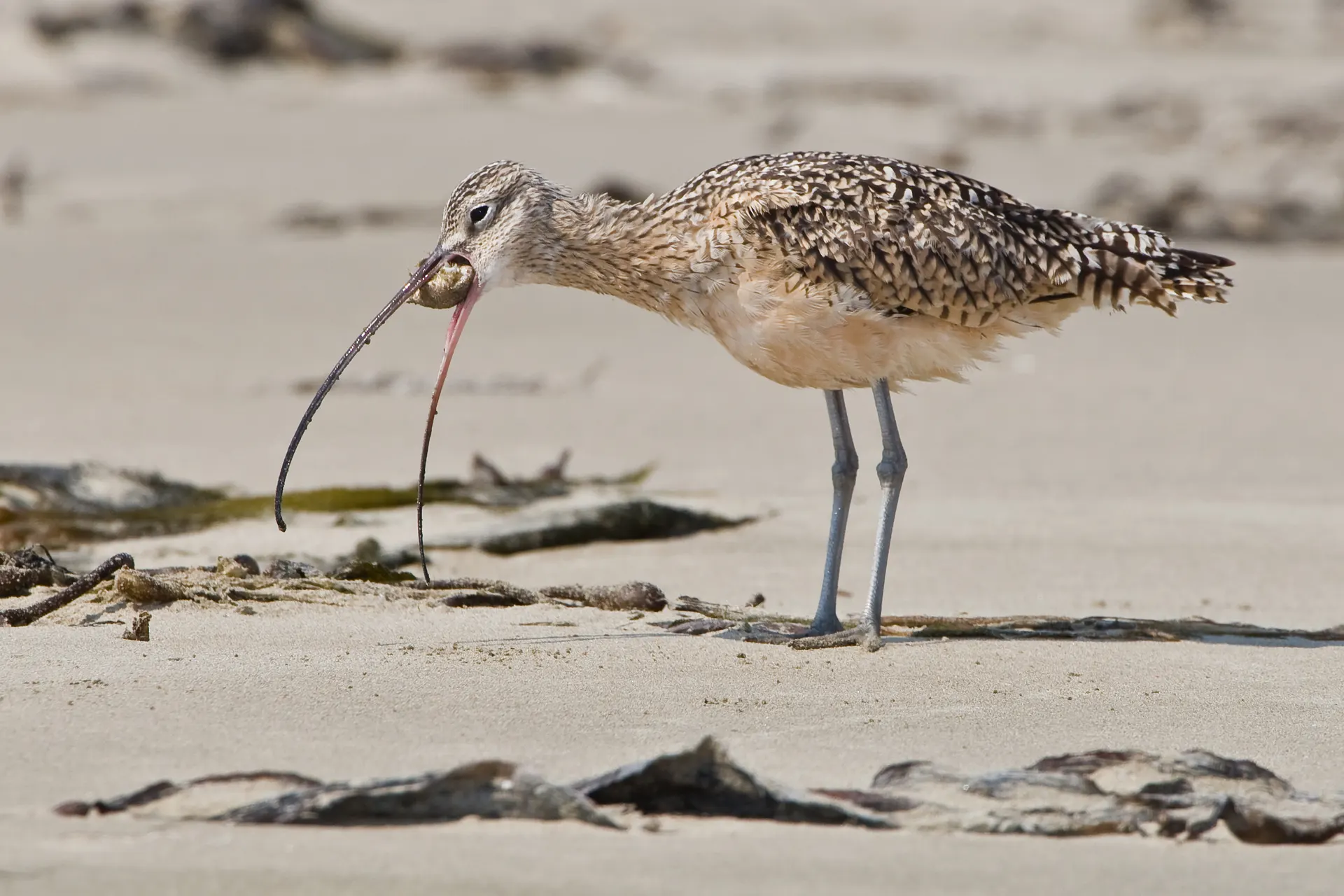
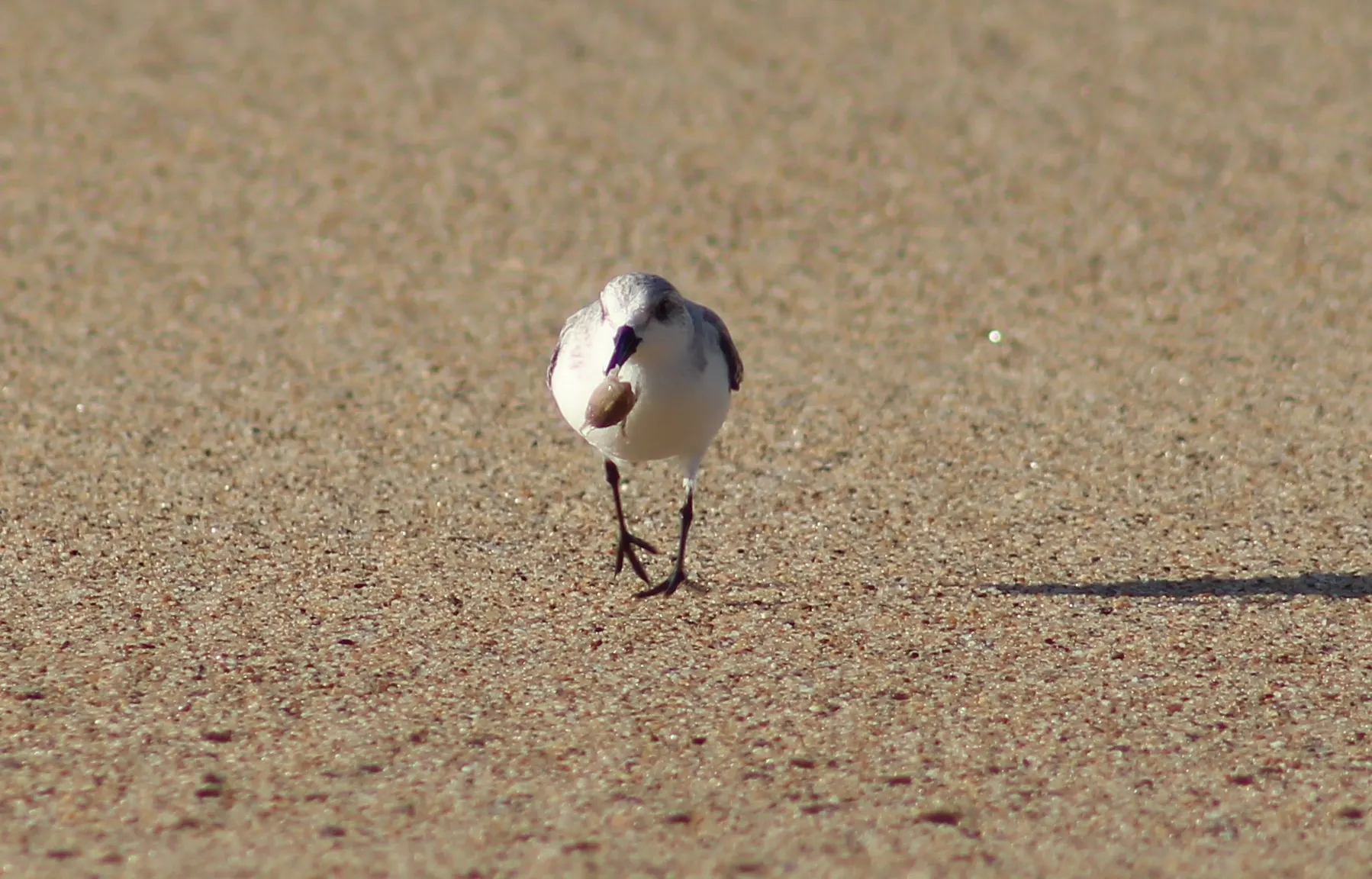
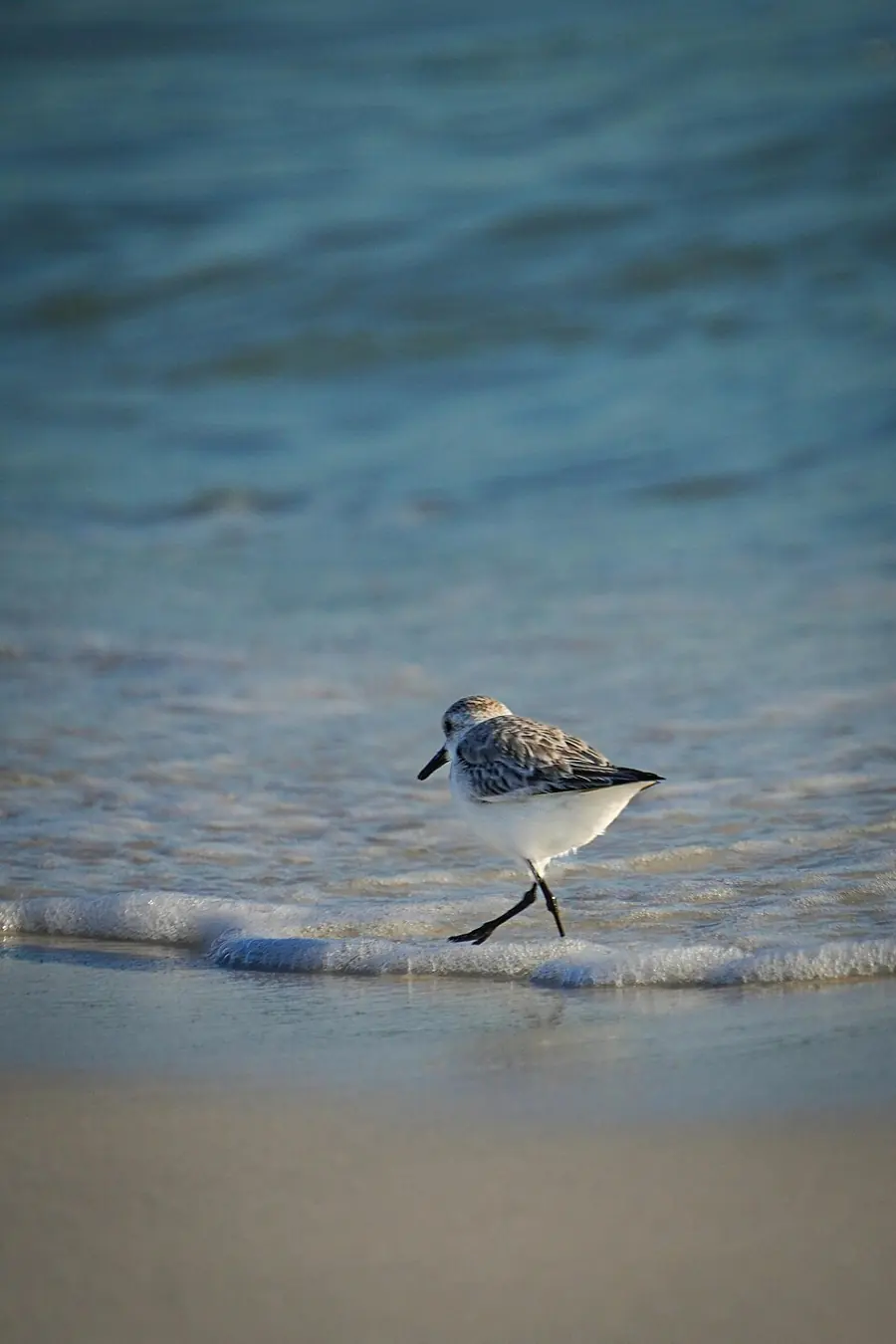
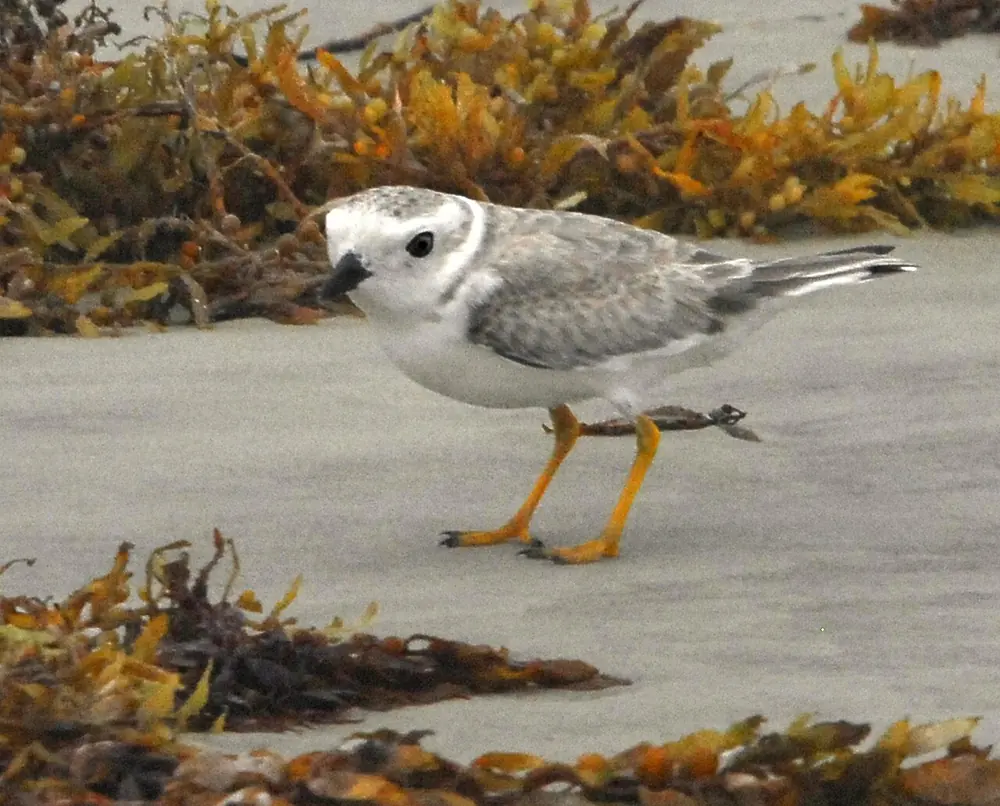
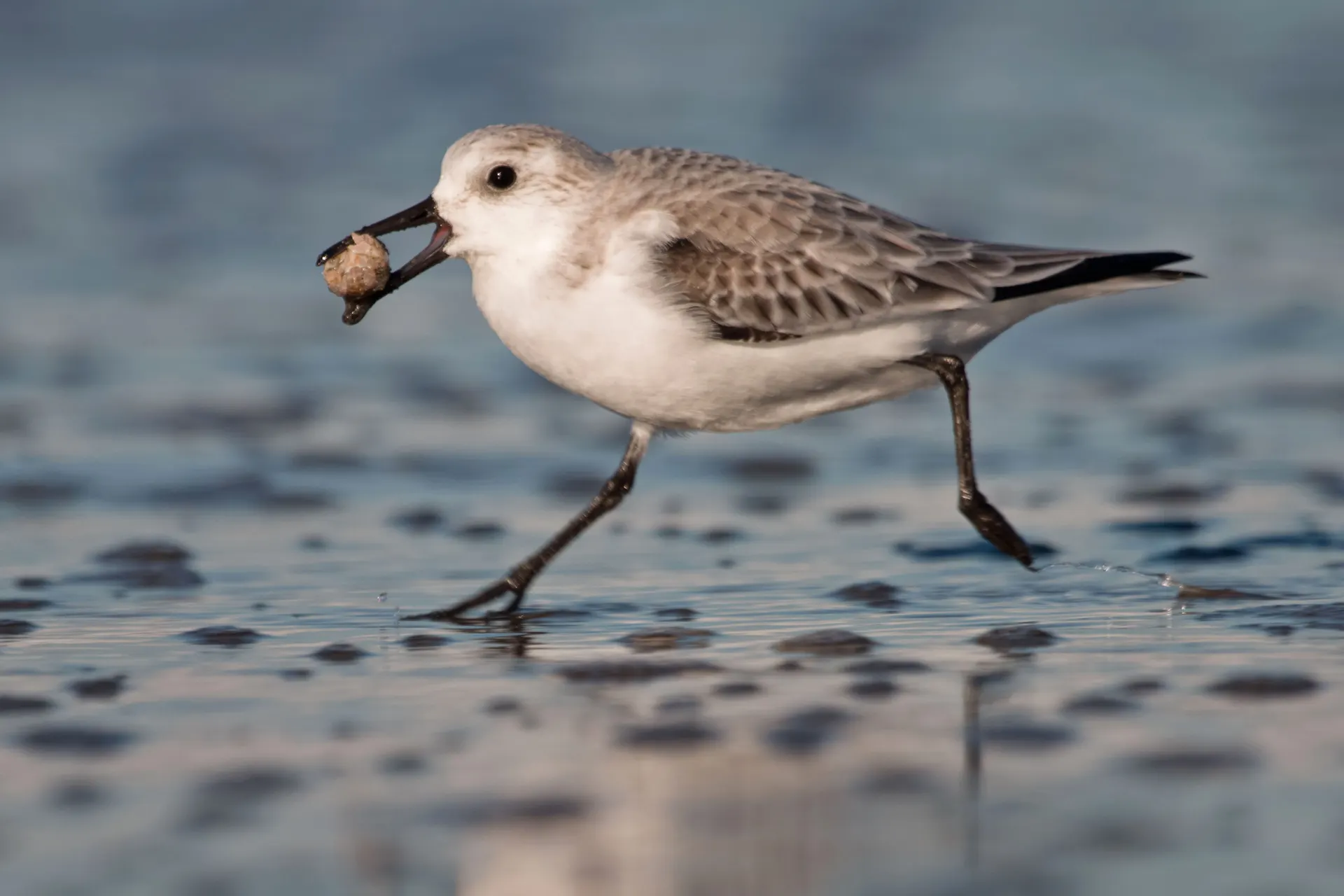
Chases receding waves to find sand crabs and other beach invertebrates buried in the wet sand. Winters on Florida beaches.
Audubon · shorebird use fell 70–90% on filled beaches (Peterson 2006)
Photo: Lemic302 · CC0

Winter visitors feed in the swash zone on mole crabs and coquina clams. On the coast they also eat many other crabs and small mollusks.
Apalachicola Riverkeeper · Audubon
Photo: patriciafarrell89 · CC BY 2.0

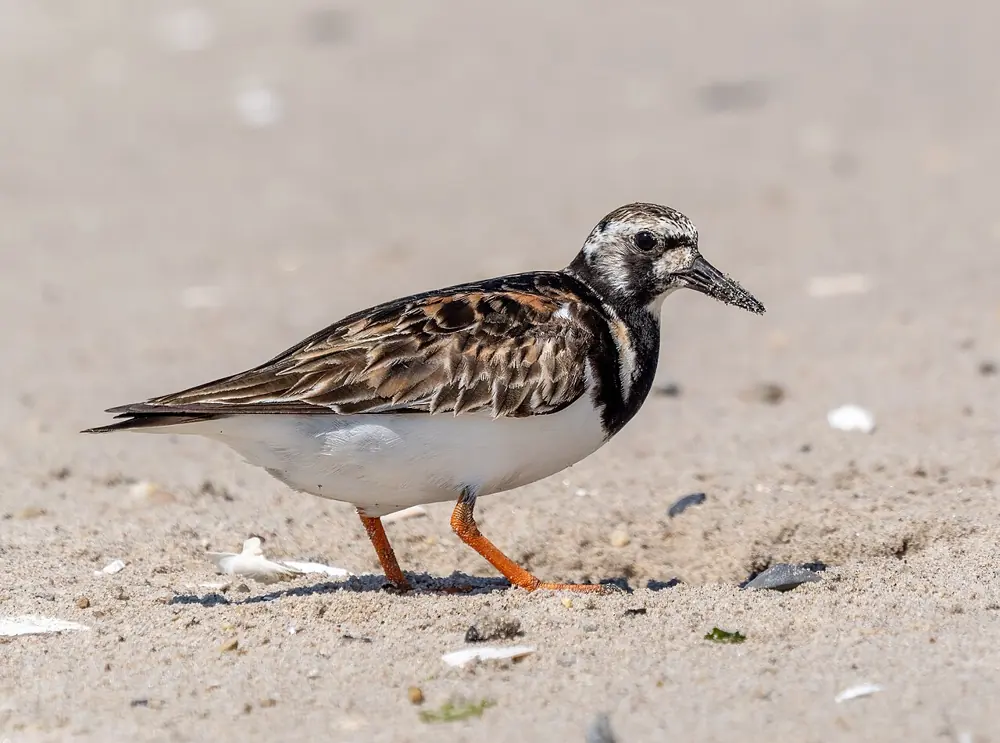
Flips over shells and seaweed to find crustaceans, mollusks and worms along the shore.
Photographed in Brooklyn, NY. Photo: Rhododendrites · CC BY-SA 4.0

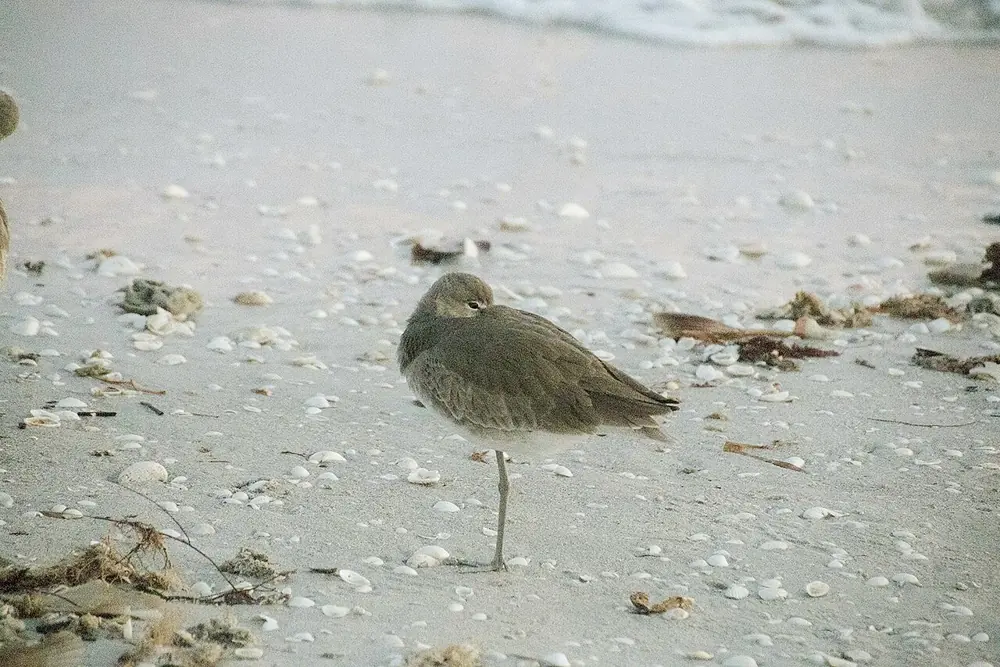
Winters on Florida's beaches, where it forages on the intertidal beach for worms, crustaceans, insect larvae and bivalves. USFWS counts reduced prey as an effect of sand placement.
USFWS species page · USFWS 2013 programmatic opinion
Photographed at Smyrna Dunes Park, FL. Photo: Andrea Westmoreland · CC BY-SA 2.0

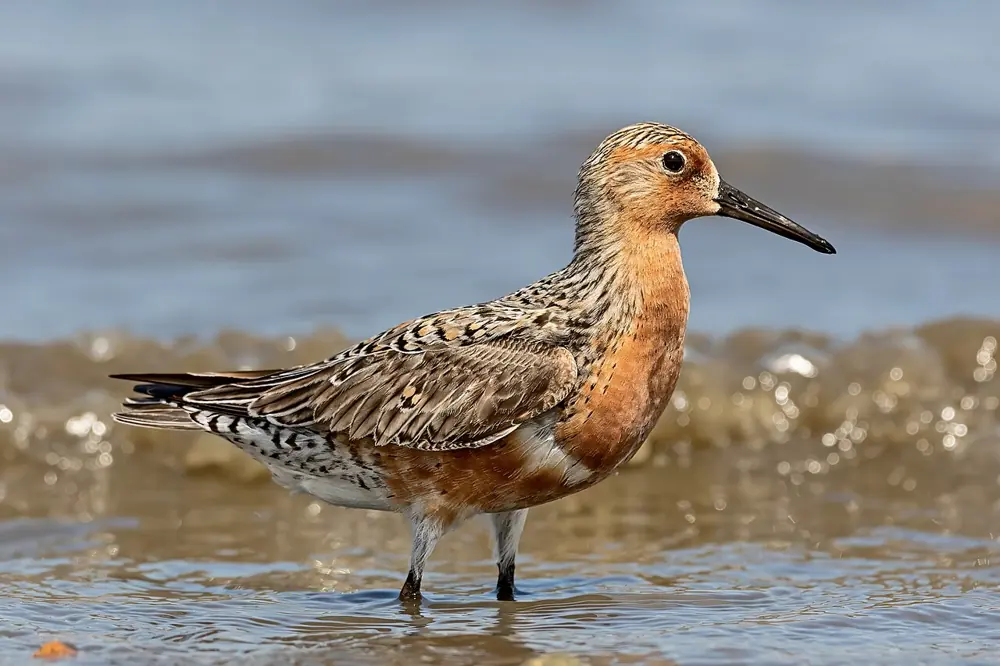
A long-distance migrant listed as threatened in 2014. It feeds on small clams, mussels and crustaceans, and nourishment can reduce that prey.
USFWS species page · Federal Register listing
Photographed on Delaware Bay, NJ. Photo: Chuck Homler / Focus On Wildlife · CC BY-SA 4.0

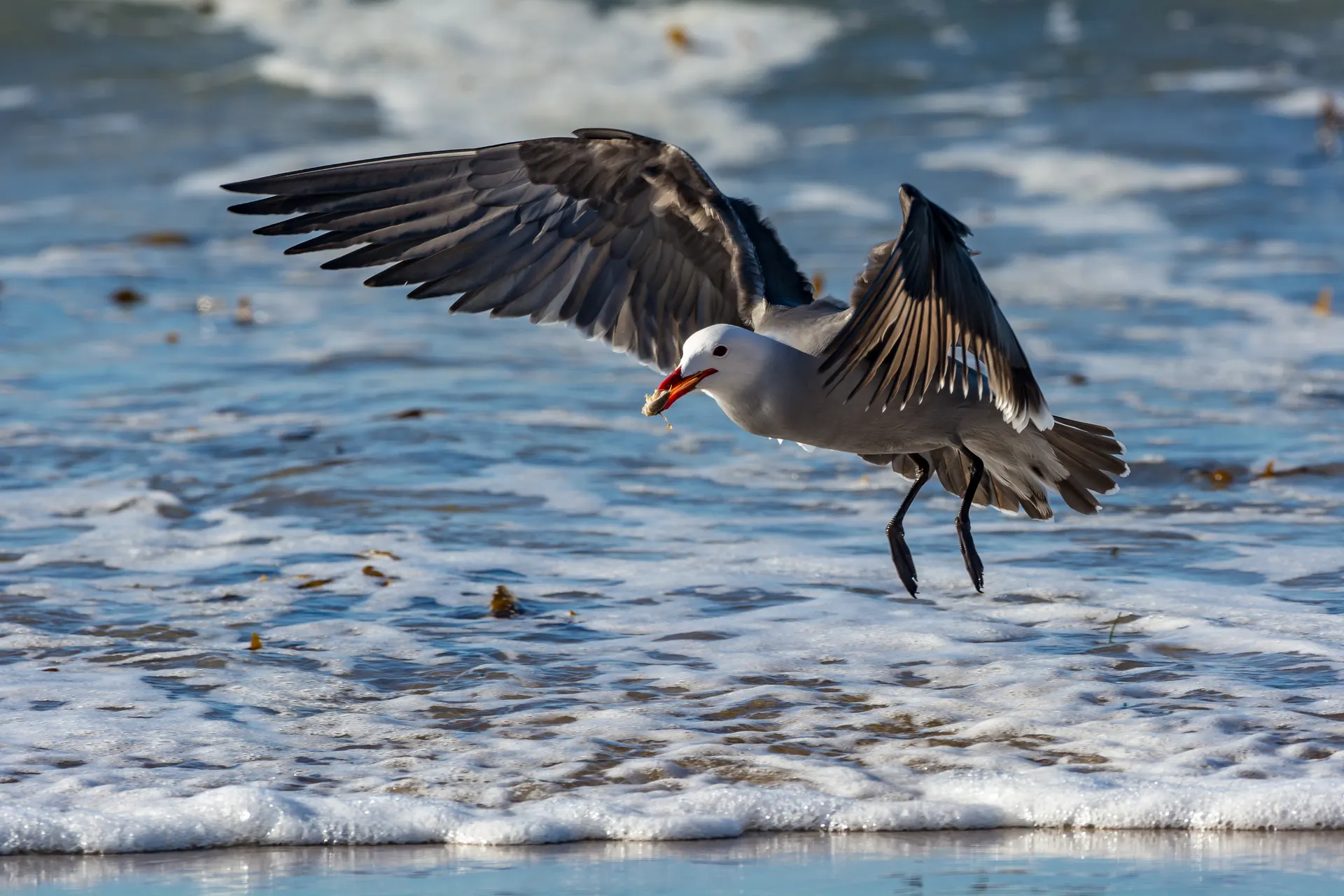
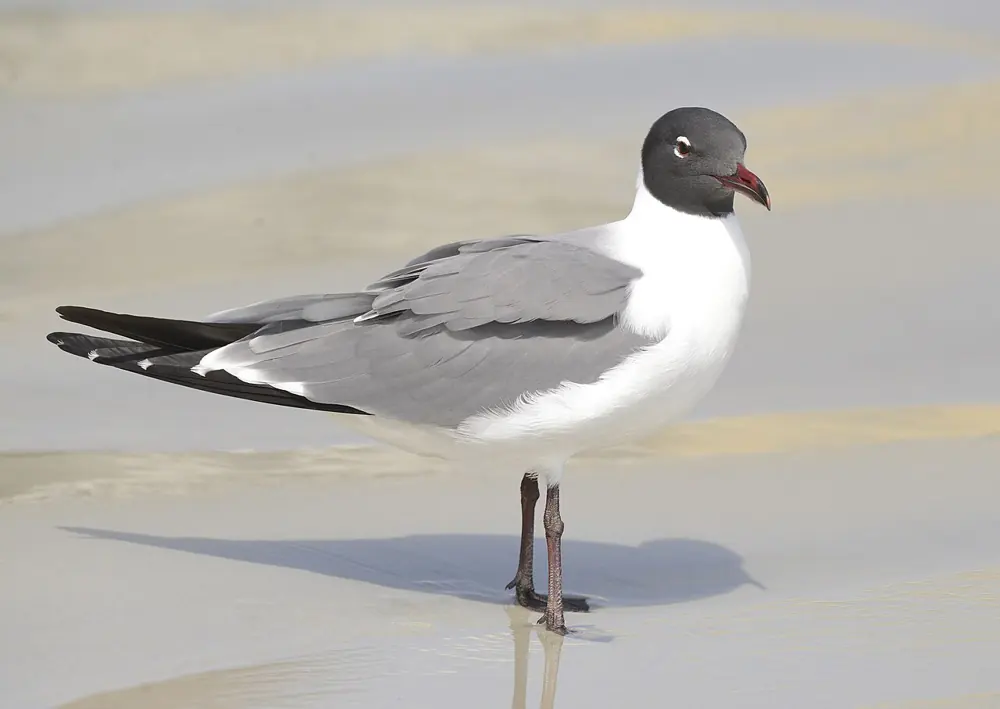
Laughing gulls eat small fish, crustaceans and insects on beaches and are listed among mole-crab predators.
Audubon · Mitchell's Publications
Photographed at Daytona Beach, FL. Photo: VJAnderson · CC BY-SA 4.0


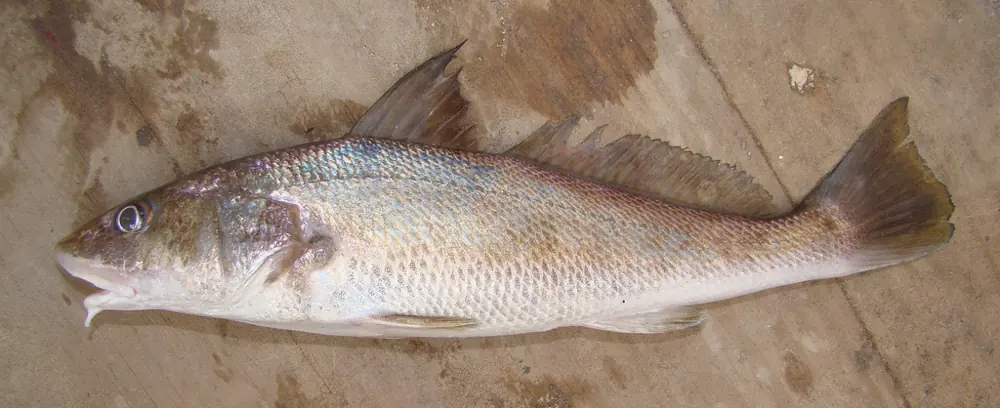
Whiting and kingfish (Menticirrhus) are among the fish anglers catch on sand fleas from the surf.
Southern kingfish, photographed in Brazil. Photo: Cláudio D. Timm · CC BY 2.0

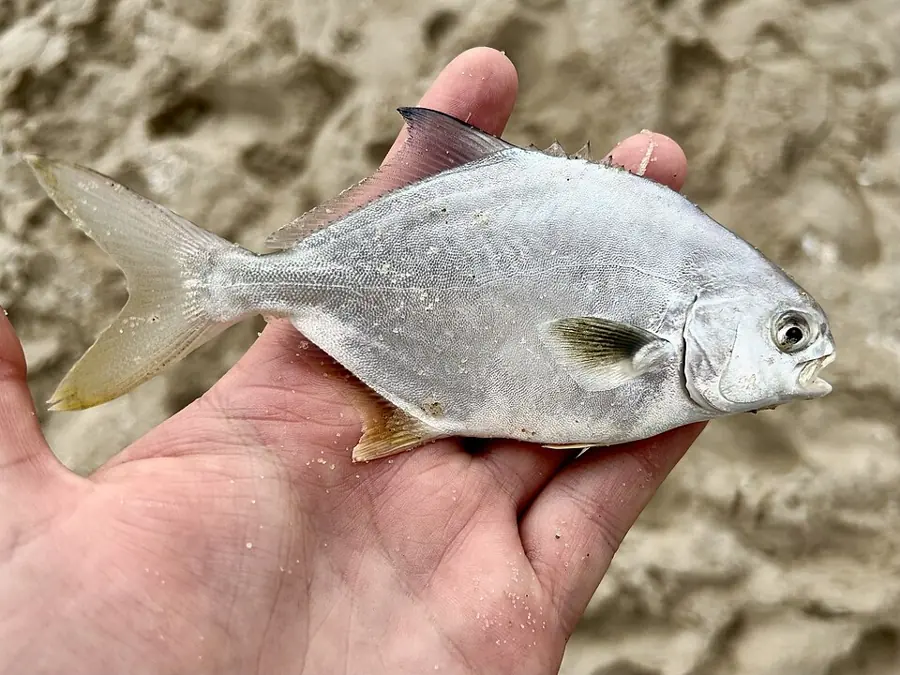
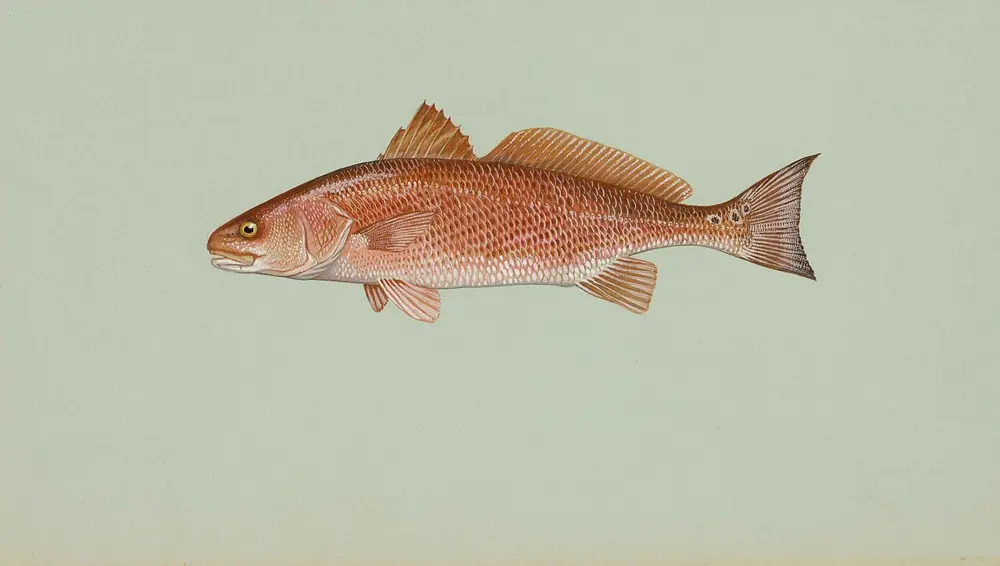
Sand fleas are a favorite food of larger animals, including pompano, redfish and shorebirds.
Photo: Raver Duane, USFWS · Public domain

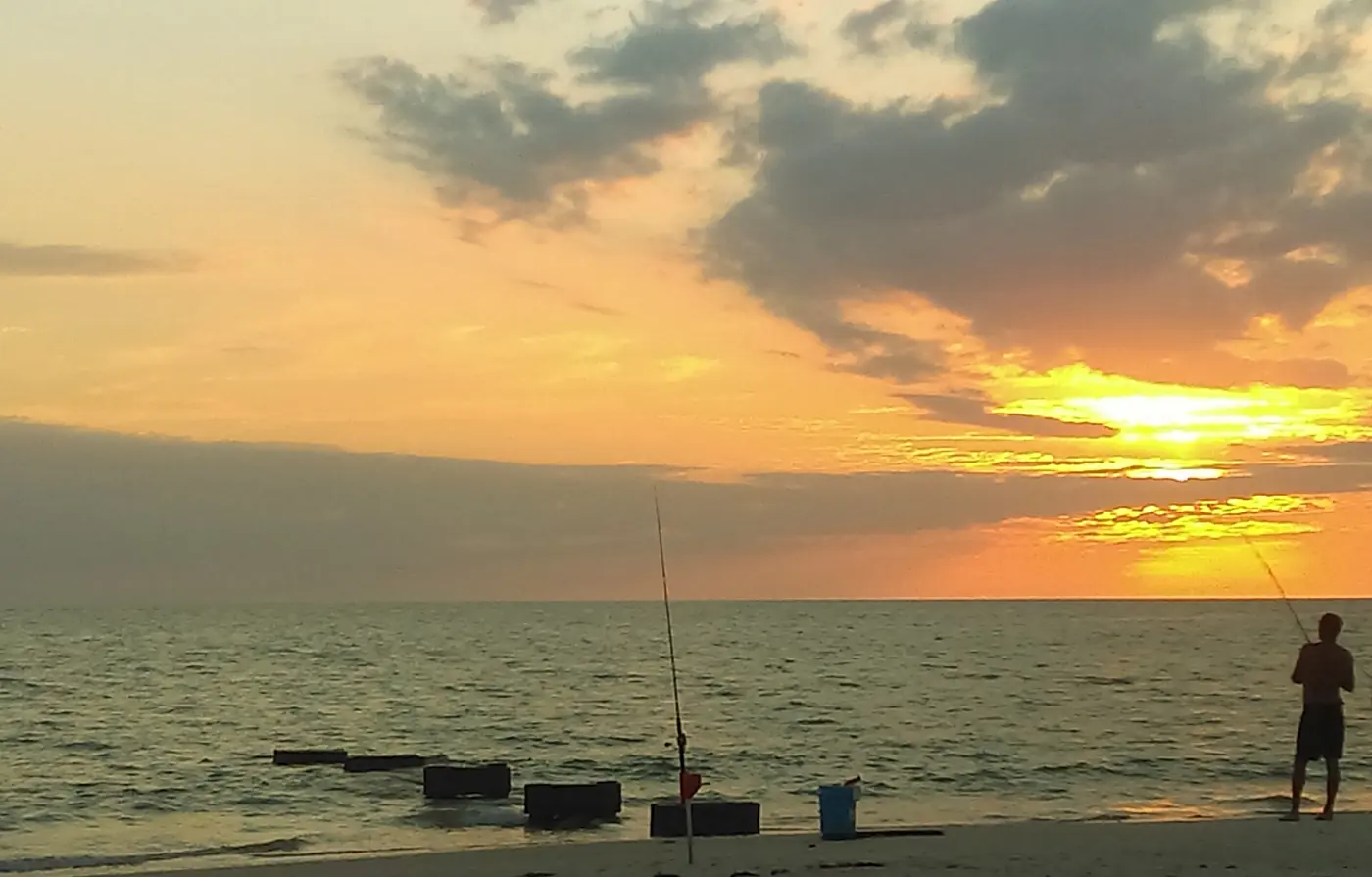
Fishing from the beach is part of Florida's recreational saltwater fishing, which the FWC estimates at $7.4 billion in economic contribution and 47,301 jobs (2022 activity; all saltwater anglers, not only surf).
Naples, FL. Photo: Stephen James Hall · CC0

Digs burrows high on the beach and hunts at night. In North Carolina, active ghost crab burrows were 55–65% lower about 3 months after bulldozing for dune building, and crab recruitment looked reduced on filled beaches.
Peterson et al. 2000 · Peterson et al. 2006
Photo: George Harrison, USFWS · Public domain

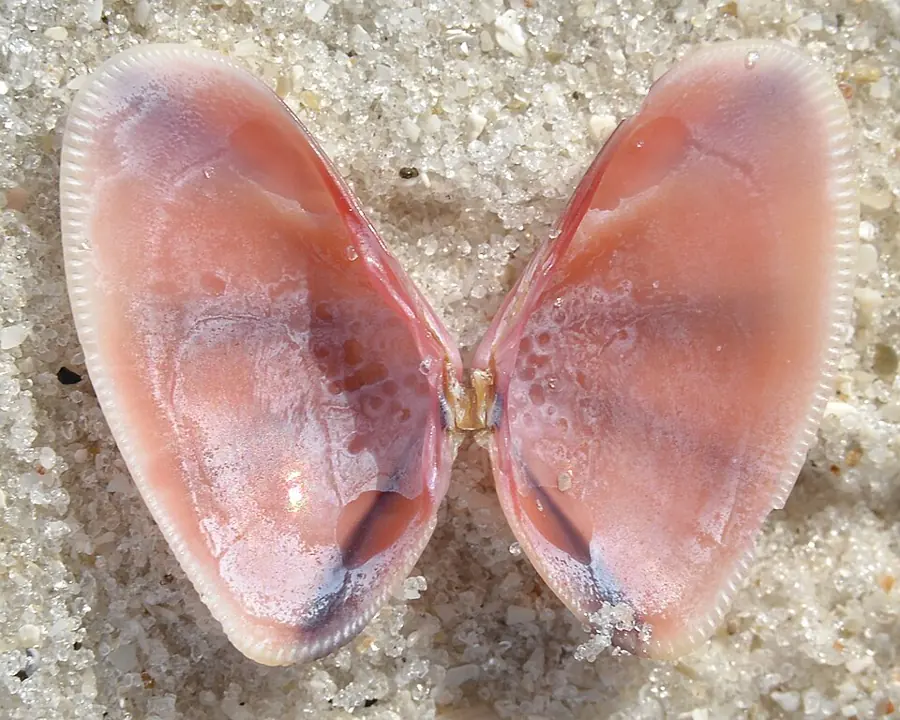
The colorful “butterfly” shells are tiny clams that live in the surf zone. In one study Donax was the biomass-dominant animal and a key prey for higher levels of the food web.
Barefoot Beach, Collier County, FL. Photo: Ryan Hodnett · CC BY-SA 4.0
The hidden danger
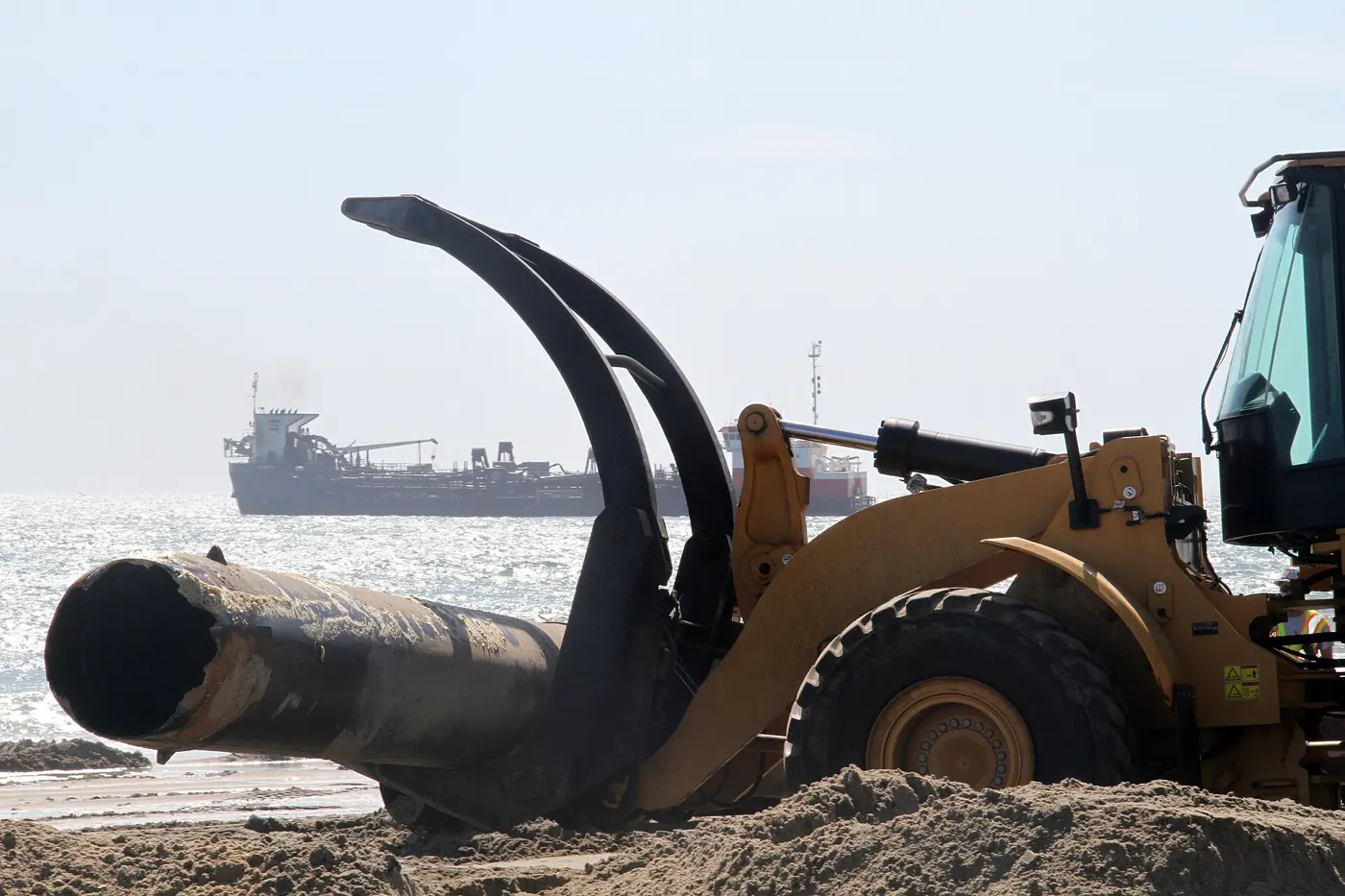
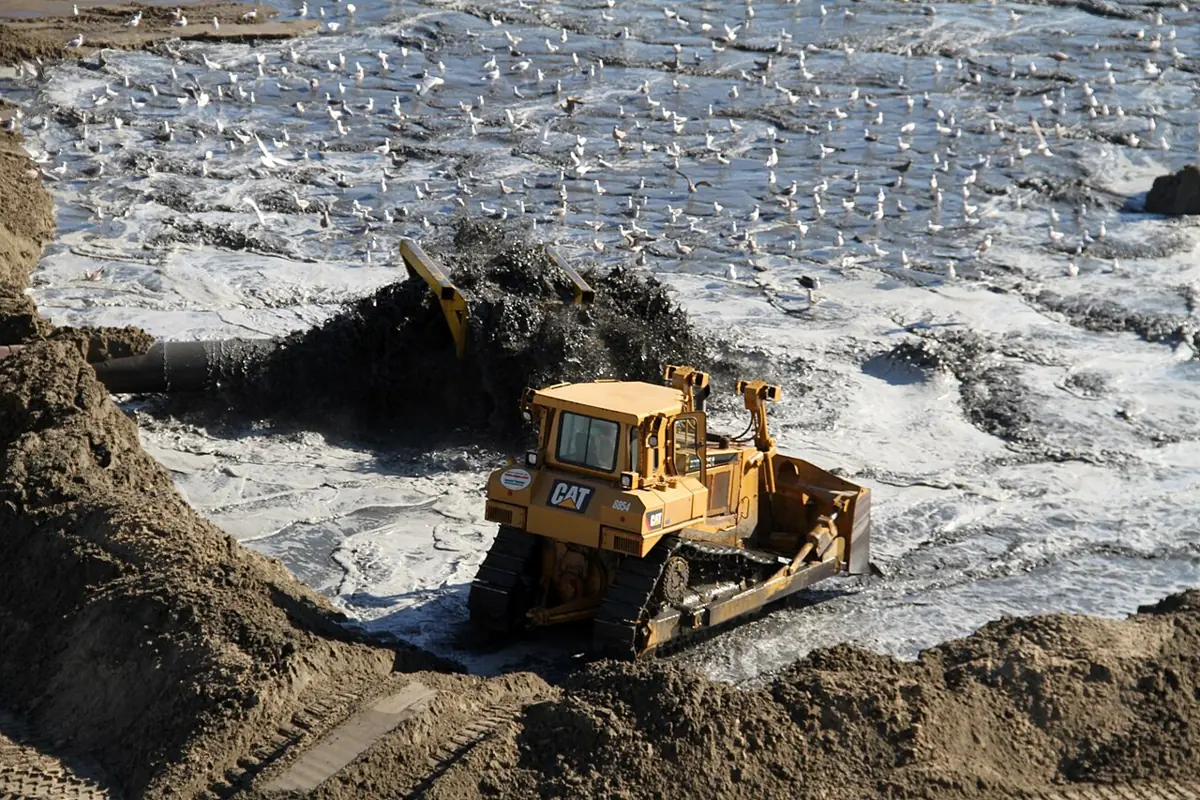
Beach renourishment (also called replenishment or “sand placement”) pumps or trucks in sand to widen an eroding beach. It protects property and keeps beaches open for visitors, and Florida's FY2026-27 state funding request list alone totals $336,198,762 in beach project costs. What it does to the animals living in the sand is rarely checked.
The Florida Department of Environmental Protection describes beaches as a primary attraction for almost 19 million tourists a year (FDEP). Our concern is the part nobody counts: the crabs, clams and worms that make a beach work as a feeding ground.


What we don't know: we found no published study that measures how many fish are lost, or how many visitors are lost, because beach invertebrates were buried in Florida. We are not claiming a figure. The studies show lost prey and fewer shorebirds. The fishing and tourism consequences are why monitoring is needed, and why we are asking for it. Nourishment can also help beaches and property, and not every project has the same impact. What matters is how well the fill matches the native sand, and when it is placed.
| Study | Where | What was found |
|---|---|---|
| Peterson, Hickerson & Johnson 2000 | Bogue Banks, North Carolina | Fill was much finer than the native sand and full of shell hash. Mole crabs and coquinas were 86–99% lower 5–10 weeks later. Ghost crab burrows were 55–65% lower after bulldozing. |
| Peterson et al. 2006 | Bogue Banks, North Carolina | Coarse winter fill cut the usable intertidal beach by 14–29%. Coquinas and tiny amphipods stayed under 10% of control levels, with no recovery from March to November. Shorebird use (mostly sanderlings) fell 70–90%. Mole crabs recovered by mid-summer. |
| Peterson et al. 2014 | North Carolina | After two coarse, shelly fills, coquinas and amphipods stayed low for 3–4 years, ghost crabs for up to 4 summers, and foraging shorebirds for 2–4 years. |
| Rakocinski et al. 1996 | Perdido Key, Florida | On 7 km of restored shoreline, species richness and total density fell. Effects of silt and clay loading offshore were still evident more than 2 years later. |
| Wooldridge, Henter & Kohn 2016 | San Diego County, California | Nearly all animals declined right after replenishment at 8 beaches. Sand-hopper amphipods and bean clams recovered within a year, and mole crabs bloomed after 4 months and then evened out. Worms stayed down through 15 months, leaving total invertebrates more than twofold lower. |
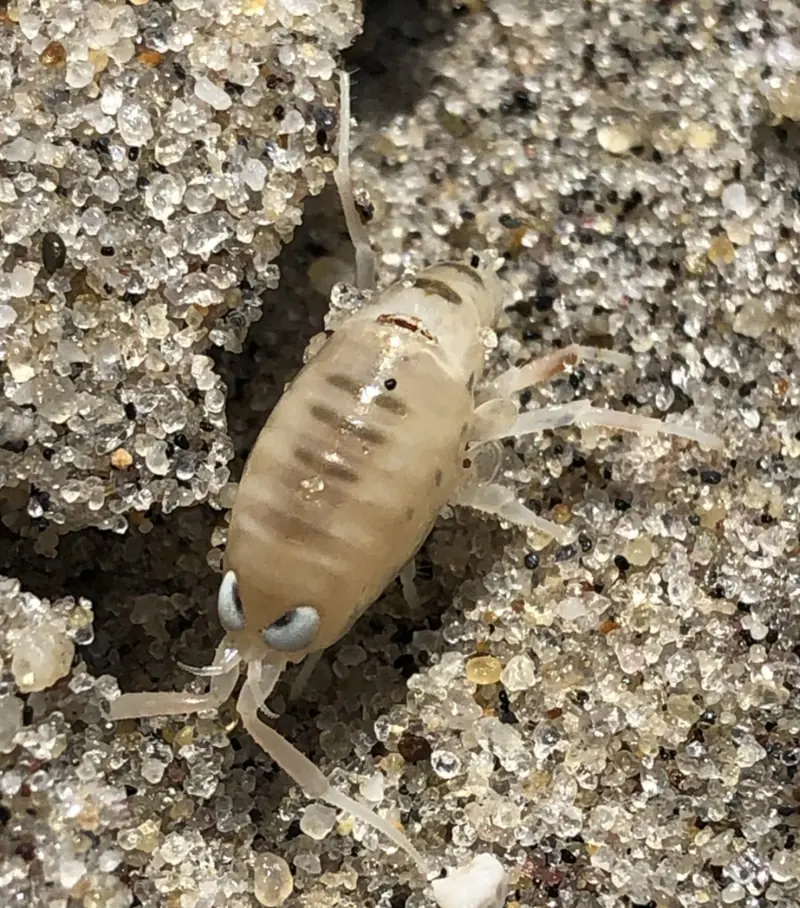
| Hubbard, Dugan et al. 2014 | Southern California | Not a nourishment study. Two upper-beach isopod species disappeared from 16 and 14 historic sites (57% and 64% declines). They survive mostly on remote, ungroomed, unarmored beaches. |
| Dugan et al. 2003 | Southern California | Beach grooming reduced beach animals and the prey available to shorebirds. Two plover species were more numerous where kelp wrack and the invertebrates in it were more plentiful. |
| Peterson & Bishop 2005 | Review of 46 monitoring studies | Only 11% controlled for natural variation and 56% reached conclusions not adequately supported. Monitoring is usually run through project promoters, and results are rarely used to set mitigation. |
Florida requires fill to meet a beach-compatibility rule on grain size, shell and silt (Rule 62B-41.007(2)(j)). The federal opinion that governs most Florida sand placement focuses on sea turtles, beach mice and shorebirds. In the permit documents we reviewed, we found no routine requirement to count mole crabs or coquinas (USFWS 2015 statewide opinion). Peterson and Bishop reviewed 46 monitoring studies and criticized how monitoring is designed and used (2005 review).
Follow the sand
We keep a public tracker of Florida beach sand placement projects, with cost, contractor and sand source where it is published, and a link to the source for each record.
Seen sand trucks, a dredge pipe or bulldozers on your beach? Tell us. Want to count sand fleas or help with permit comments? Get in touch.
SandLife is a nonprofit in formation and is not yet tax-exempt. Photo: 4net · CC BY 3.0 · credits